12 Cozy Home Decor Changes That Cost Almost Nothing

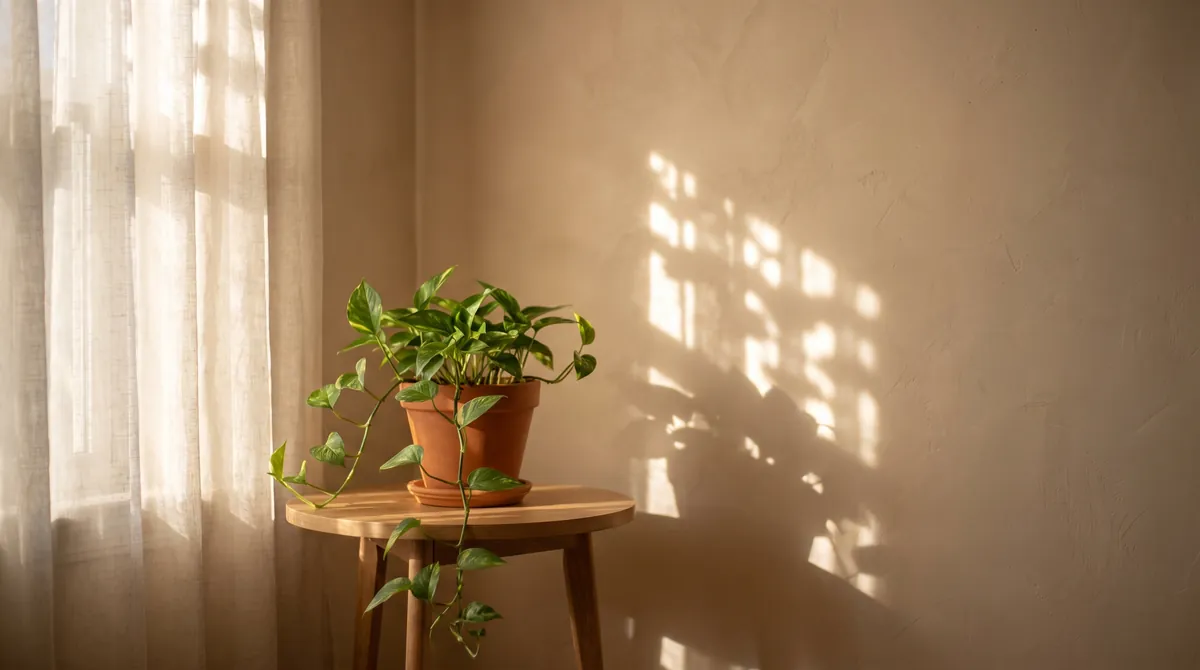
Making a home feel genuinely cozy does not require a renovation budget or a Pinterest-perfect aesthetic. Research on interior color, lighting temperature, and biophilic design consistently shows that small, specific changes, many of them free, shift how a space feels to live in. This article walks through 12 of those changes, ordered roughly from cheapest to slightly-more-involved, with the science behind why each one actually works.
If you are also thinking about your workspace, the same principles apply there too. See our guide to making a home office feel less institutional for how warm light and natural materials translate to a desk setup.
TL;DR
- Start with light: swap bulbs to 2700K (about $8 a four-pack) and move lamps to corners for warm, layered light.
- One plant, placed where you actually sit and tend it, produced statistically significant stress reductions in a 2022 meta-analysis.
- Five core changes (light, a plant, one cleared surface, a throw, a scent) cost about $30-35 total.
Why "Cozy" Is a Real Psychological State, Not Just a Style
Before getting into specific changes, it helps to know what your nervous system actually responds to. A 2018 study published in Frontiers in Psychology examined 443 students living in rooms painted different colors at a University of Bologna residence hall. The researchers found that warm hues and softer lighting consistently influenced reported mood and concentration levels, not just aesthetic preference.
Separately, a 2022 systematic review with meta-analyses in PMC (PMC9224521) looked at dozens of studies on indoor plants and human functions. The finding that kept appearing: even a single plant in a room measurably reduced self-reported stress scores. Not "maybe helped," not "participants felt it might have," but statistically significant reductions.
Coziness, in other words, is a physiological response to specific environmental signals. Warm light, natural textures, reduced visual clutter, and the presence of living things all tell your nervous system it is safe to relax. Every change below targets one of those signals.
Cozy Home Ideas That Start With Light
Lighting is the single highest-impact change you can make to any room, and the most underused one. Most people just accept whatever overhead fixture came with the apartment.
1. Swap bulbs to 2700K or lower
Bulb color temperature is measured in Kelvins. A 5000K bulb (often labeled "daylight") produces blue-white light that your brain associates with alertness and midday sun. A 2700K bulb produces warm amber light. Research published in PMC (PMC8481791) found that warm/cool white light combinations significantly affected both visual comfort and reported mood. In the evening, blue-enriched light has also been shown to delay melatonin secretion, making it harder to wind down.
A four-pack of 2700K LED bulbs costs around $8 at any hardware store. The swap takes five minutes. The difference in how a room feels at 9pm is immediate.
2. Move lamps to corners and lower surfaces
Overhead lighting creates a flat, even wash that reads as utilitarian. Placing lamps at two or three different heights, a floor lamp in a corner, a small lamp on a side table, creates layered light with shadows. Shadows are part of what makes a room feel three-dimensional and warm rather than institutional. This change costs nothing if you already own lamps.
3. Add one candle (real or LED)
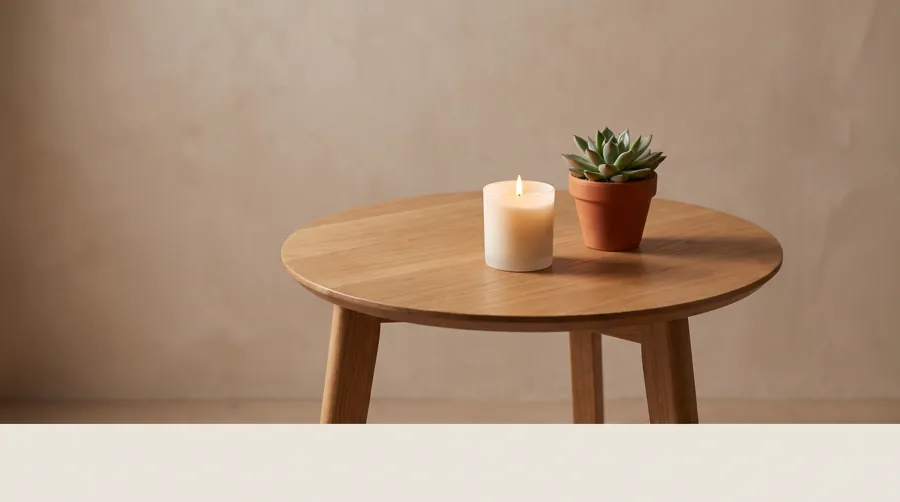
A flickering light source, even an LED one, introduces the kind of irregular warm light that has appeared in every human shelter since fire. This is not sentimentality. It is pattern recognition. Real beeswax candles from a farmers market run about $6-12. LED flicker candles last years and cost under $5 each. Either works.
Cozy Minimalist Home Changes With Texture
Visual weight in a room comes partly from texture. Hard, flat surfaces (bare walls, polished floors, glass tables) reflect light in ways the eye processes quickly and then dismisses. Soft, varied textures (woven throws, textured cushions, a wool rug) slow that visual processing down in a way that reads as warmth and comfort.
4. Add one chunky throw to the sofa
A single throw blanket folded over the arm of a sofa or the foot of a bed changes the visual temperature of a room. Chunky knit versions show up at TJ Maxx and HomeGoods regularly for $15-25. You do not need three of them; one done well is enough.
5. Layer two rugs instead of one
If you already have a rug, try placing a smaller, contrasting-texture rug on top of it. A jute runner over a flat woven rug, or a small wool rug over a larger sisal one. This is a technique interior designers use because it creates visual depth without adding clutter. A flat-weave accent rug from IKEA starts at $25.
6. Put a throw pillow on the floor
This one sounds strange but works in practice. A large floor cushion (or a 26-inch square pillow in a floor cushion cover) signals that the space invites relaxing at multiple levels, not just upright on furniture. It also draws the eye downward, which lowers the perceived center of gravity in a room and makes ceilings feel less high and more intimate. Pillow covers in this size run $12-20.

Cozy Home Aesthetic: The Plant Argument
I want to be direct here because the plant advice in home decor content is usually vague to the point of uselessness. The research is actually specific. And if you want more detail on which varieties work best in a smaller enclosed space, the home office plant guide covers five low-maintenance options ranked by how hard they are to kill.
7. Place one plant where you spend the most time
A 2024 editorial in Frontiers in Psychology (PMC11446772) that synthesized multiple systematic reviews found that indoor plants most significantly impacted occupants' self-reported perceptions by increasing positive emotions and reducing negative feelings. The effect was stronger when participants actively tended the plant (watering, light adjustment) rather than just having it present.
You do not need a plant collection. One pothos or snake plant on your desk or reading table will do. Pothos tolerates low light and neglect. A 4-inch pot costs around $4-6 at most grocery stores. If you already own one and it is sitting in a back corner where you never look at it, move it to where you actually spend time.
8. Choose a pot that matters
The default black plastic nursery pot is fine for the plant. It is not fine for the room. A ceramic or terracotta pot in a warm color adds both texture and an organic shape to a surface. This is the difference between a plant being an afterthought and being a design element. Terracotta pots cost $2-4 at a garden center.
Warm Cozy Home Changes on the Walls and Surfaces
9. Hang something at eye level, not art-gallery height
The standard advice for hanging art is to center it at 57-60 inches from the floor, which is museum standard. That height works in a neutral gallery space. In a home, hanging a single meaningful print or piece of art at actual seated eye level (around 48-52 inches in a room where you sit) creates a more intimate relationship between you and the wall. If you have art hanging at 60+ inches in a room where you mainly sit on the sofa, try lowering it by 6 inches. No new purchases required.
10. Declutter one surface completely
This is not a full minimalism pitch. It is a specific suggestion: identify the one surface in your home that collects the most random objects (often a kitchen counter, a side table, or a dresser top), and clear it completely for two weeks. Leave only one intentional object there, a plant, a candle, a single book. The visual rest that one clear surface provides changes how the whole room reads. Research on attention restoration theory consistently shows that environments with lower visual complexity support faster cognitive recovery from fatigue. If the thought of clearing more than one surface feels like too much to tackle at once, the room-by-room weekend declutter checklist breaks it into 45-minute sessions with a realistic system for what to keep, toss, or donate.
11. Add a scent layer
Smell is the sense most directly wired to the limbic system, the part of the brain that processes memory and emotion. A scent associated with comfort (cedar, vanilla, sandalwood, a specific tea) can shift the feel of a room faster than almost any visual change. This does not need to be expensive. A $4 bag of dried cedar chips in a small bowl, a $6 bar of soap left unwrapped in a drawer, a $3 box of sandalwood incense burned once a week. The point is consistency, not intensity.
12. Lower the furniture if you can
Rooms with lower furniture (floor cushions, low-profile sofas, coffee tables at 12-14 inches rather than 18) feel more intimate and less formal. If you have a sofa or chairs that are on the taller side, try removing the legs if they are removable, or simply lowering the height of adjacent pieces. A low coffee table costs almost nothing at a thrift store. The shift in perceived room scale is immediate.
What to Skip
Not everything marketed as cozy actually delivers a cozier room. A few things worth skipping:
- Fake plants: The research benefit from plants comes partly from tending them. A silk ficus does nothing for your stress levels.
- Fairy lights everywhere: One string of warm-white lights in a specific spot (wound through a bookshelf, framing a window) works. Fairy lights draped over every surface reads as cluttered, not cozy.
- Matching everything: Rooms where every cushion matches the rug which matches the curtains feel like a showroom. Some mismatch in texture and tone is what makes a space feel lived-in rather than staged.
- Buying first, clearing second: Adding to a visually cluttered room just adds more clutter. Clear before you add.
A Simple Priority Order
If you are starting from scratch and do not want to do all 12 at once, this order gets the most impact per dollar and per hour of effort. For more ideas across this style of home, browse the full home and living category.
- Swap to 2700K bulbs (8 dollars, 5 minutes)
- Move one plant to where you actually sit (free if you already own one)
- Clear one surface completely (free)
- Add a throw to the sofa (15-25 dollars)
- Add a scent layer (3-6 dollars)
Those five changes, total cost around 30-35 dollars if you are starting with nothing, cover lighting, biophilia, visual rest, texture, and scent. That is four of the five primary sensory signals associated with psychological comfort in residential environments.
Watching It in Practice
If you want to see these ideas applied in a real space with no design budget, this YouTube video walks through a full thrifted living room transformation that focuses on warmth and texture over matching sets.
The main takeaway from the video holds: layering textures and working with warm light sources consistently outperforms buying a lot of new matching furniture.
Key Takeaways
- Coziness is a physiological response, not just a style preference. Specific environmental signals, warm light, natural textures, plants, lower visual complexity, trigger measurable changes in stress and mood.
- 2700K bulbs and repositioned lamps are the single highest-impact change in most apartments. Cost: under $10.
- One plant placed where you actually look at and tend it produces a stronger effect than several plants placed decoratively and ignored.
- Clearing surfaces before adding anything is more effective than adding to existing visual clutter.
- You do not need a cohesive aesthetic or matching furniture. Varied textures and warm light do more than coordinated sets at ten times the price.
- Scent is underused in home decor. A consistent low-intensity scent associated with comfort changes the character of a room faster than almost any visual change.
Frequently Asked Questions
What makes a home feel cozy?
The core ingredients, backed by environmental psychology research, are warm light (2700K or lower), natural textures (wood, wool, cotton, terracotta), living elements (plants), lower visual complexity (cleared surfaces), and a consistent comforting scent. None of these require expensive furniture. Most can be achieved with small additions or rearrangements of what you already own.
How do I make my home cozy on a budget?
Start with bulb swaps (around $8 for a four-pack of 2700K LEDs), move any existing plants to where you actually spend time, clear one cluttered surface, and add a single throw blanket to your main seating area. Those four changes cover the most impactful sensory signals and cost under $35 total if you are starting with nothing.
What is the cozy minimalist home style?
Cozy minimalism combines the visual simplicity of minimalism (few objects, clear surfaces, neutral palette) with warmth achieved through texture and organic materials rather than lots of stuff. The key is choosing fewer objects that are each tactile and warm, a chunky throw instead of four thin ones, one good ceramic pot instead of a collection of plastic ones, rather than filling a space to feel cozy.
Do indoor plants actually make a room feel cozier?
Yes, and not just aesthetically. A 2022 meta-analysis published in PMC (PMC9224521) found statistically significant reductions in self-reported stress associated with indoor plants. A 2024 editorial in Frontiers in Psychology (PMC11446772) found that plants increased positive emotions and reduced negative feelings in occupants of indoor spaces. The effect is stronger when you actively tend the plant rather than just having it present.
Sources
1. Costa, M. et al. "Interior Color and Psychological Functioning in a University Residence Hall." Frontiers in Psychology, 2018. https://pmc.ncbi.nlm.nih.gov/articles/PMC6120989/
2. Han, A. R. et al. "Effects of Indoor Plants on Human Functions: A Systematic Review with Meta-Analyses." International Journal of Environmental Research and Public Health, 2022. https://pmc.ncbi.nlm.nih.gov/articles/PMC9224521/
3. Dijkstra, K. et al. "Editorial: Effects of indoor plants on well-being." Frontiers in Psychology, 2024. https://pmc.ncbi.nlm.nih.gov/articles/PMC11446772/
4. Kim, S. Y. et al. "Effect of warm/cool white lights on visual perception and mood in warm/cool color environments." Building and Environment, 2021. https://pmc.ncbi.nlm.nih.gov/articles/PMC8481791/
5. Viola, A. U. et al. "Blue-enriched white light in the workplace improves self-reported alertness, performance and sleep quality." Scandinavian Journal of Work, Environment and Health, 2008. https://www.ncbi.nlm.nih.gov/pmc/articles/PMC1779263/
Wellness Tabloid is reader-supported: this page shows ads and some outbound links may be affiliate links.
Fact-checked against cited sources. Reviewed by the Wellness Tabloid editorial team.