The Fart Walk: What Walking After Eating Really Does for Your Body

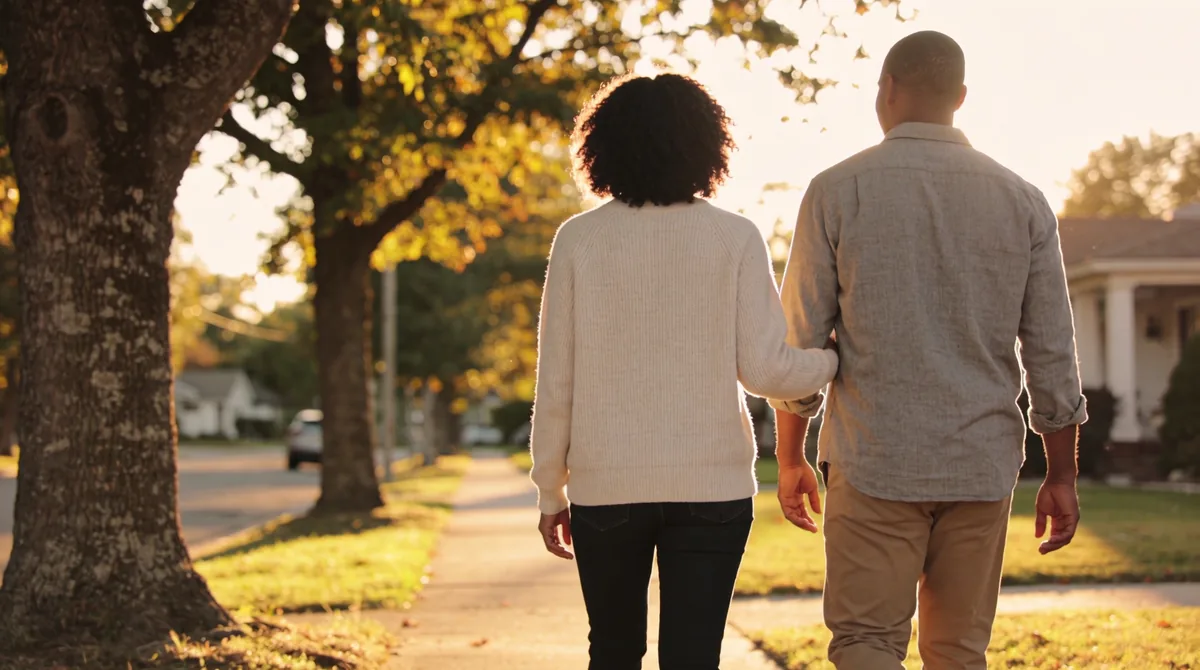
A short, easy walk after a meal is one of the few wellness habits that costs nothing, takes ten minutes, and has real research behind it. It blunts the blood sugar rise that follows eating, helps move food through your gut, and yes, it lets out some of the gas that builds up while you digest. That last part is where the internet nickname came from. If you already do a short morning workout, this is the low-effort bookend to your day that asks almost nothing of you.
TL;DR
- It works, and it is small: a short easy walk after eating flattens the post-meal blood sugar spike and helps digestion. Even 2 to 5 minutes makes a measurable difference.
- Timing is the trick: start within about 30 minutes of finishing, before your blood sugar peaks. Ten minutes is the sweet spot.
- The "fart walk" name is a joke, but the reason it relieves gas (movement helps trapped air pass) is real and part of the benefit.
What a "Fart Walk" Actually Is
The term "fart walk" was coined by Mairlyn Smith, a Toronto cookbook author in her seventies, to describe the walks she takes with her husband about an hour after dinner. Her explanation is refreshingly blunt: they eat a lot of fiber, so they have gas, and walking helps it pass. She started posting about it and the phrase went viral through 2024 and into 2025 (UW Medicine, Right as Rain).
Strip away the name and you are left with the after-dinner stroll, a habit that predates every fitness tracker on the market. What is new is that we can now measure why it helps. The walk does three useful things at once: it steadies your blood sugar, it nudges digestion along, and it gets you a little daily movement at a time when most people are heading for the couch. None of those benefits require intensity. A slow amble counts.
What Walking After Eating Does to Your Blood Sugar
When you eat, especially a meal with carbohydrates, your blood sugar climbs. A large glucose spike followed by a crash is the pattern most people want to avoid, because over years those repeated peaks are linked to a higher risk of type 2 diabetes. Light movement right after eating tells your muscles to pull glucose out of the bloodstream to fuel the walk, which flattens the peak.
A 2022 meta-analysis in Sports Medicine looked at how breaking up sitting changes what happens after a meal. The researchers found that interrupting long periods of sitting with short bouts of light-intensity walking improved after-meal glucose and insulin levels more than simply standing did (Buffey et al., Sports Medicine, 2022). Standing helped a little. Walking helped more. And the walking did not need to be long: bouts of roughly two to five minutes were enough to move the needle.
That is the part worth sitting with. You do not need a workout to get the metabolic benefit of a post-meal walk. You need to not be sitting still while your blood sugar rises.
The Timing That Makes It Work
If there is one thing to get right, it is when you go. Your blood sugar does not spike the instant you finish eating. It climbs over the following half hour or so and peaks somewhere in that window. Walking during the climb is what blunts the peak, so the goal is to start moving within about 30 minutes of your last bite. Wait too long and the peak has already come and gone, and the walk does less for your glucose.
Duration matters less than you would think. A short walk after each main meal appears to do more for daily blood sugar than one longer walk taken at a random time of day, because it puts the movement exactly where the glucose is rising (TODAY). Ten minutes after breakfast, lunch, and dinner beats a single 30-minute walk at 4 p.m. on nothing in particular.
The 10-Minute Post-Meal Walk
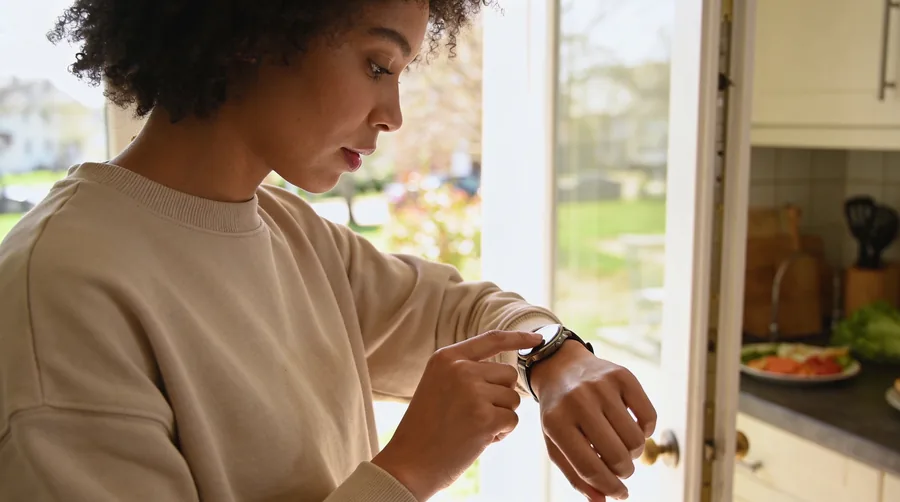
Here is the whole method, which I will call the 10-Minute Post-Meal Walk so it is easy to remember:
- Pick your biggest meal to start. You do not have to walk after everything. If you only do one, make it the meal with the most carbohydrates, usually dinner.
- Go within 30 minutes of finishing. Sooner is better. Clearing the table and heading straight out is ideal.
- Keep it easy. This is a stroll, not a session. You should be able to hold a conversation the whole time. Intensity is not the point and can actually be uncomfortable on a full stomach.
- Aim for 10 minutes. Two minutes is better than zero, five is better than two, and ten is the comfortable sweet spot where the benefit is solid and the habit still feels effortless.
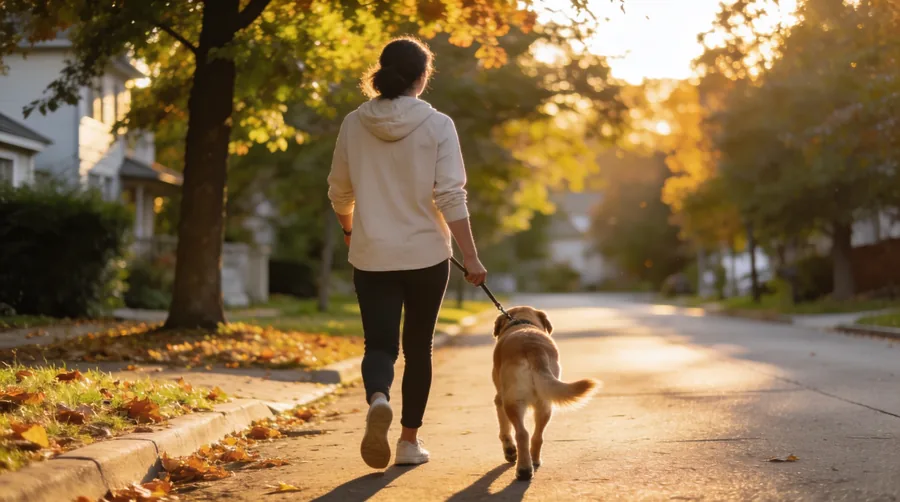
- Attach it to something. Walk with a partner, take out the dog, or make it the thing you do before you sit down to watch anything. Habits that ride on an existing routine stick.
The table below is a rough guide to what different durations give you. The honest summary is that any amount beats sitting, and the returns flatten out past about 15 minutes for blood sugar specifically.
| Walk length | Blood sugar effect | Effort level | Best for |
|---|---|---|---|
| 2 to 5 minutes | Noticeable reduction in the spike | Minimal | Busy days, small meals |
| 10 minutes | Solid, reliable reduction | Easy | The everyday default |
| 15 to 20 minutes | Similar to 10 for glucose, more for digestion and mood | Easy | Big meals, evenings |
Digestion, Bloating, and the Gas Part
Blood sugar gets the headlines, but the reason people keep doing this is usually how it feels. Gentle movement helps food move through the stomach and intestines, which can reduce the heavy, overfull feeling after a big meal and help trapped gas pass rather than sit and bloat. It can also ease reflux for some people, because staying upright and moving keeps stomach contents where they belong instead of pressing upward the way lying on the couch does (UW Medicine, Right as Rain).
This is the honest origin of the nickname. If you eat a fiber-rich diet, you produce more gas, and a walk gives it somewhere to go. That is not a flaw in the habit. It is a sign your gut is doing its job, and moving is more comfortable than holding still.
Before or After: When to Walk
People often ask whether they should walk before or after eating. For blunting the post-meal blood sugar rise, after is better, because the walk lands during the window when glucose is actually climbing. A walk before you eat is good movement and good for you, but it does not target the spike the way a post-meal walk does.
If your goal is broader, such as general fitness or a clearer head, the timing matters less and any walk helps. But for the specific metabolic payoff that made this habit go viral, the order is simple: eat, then walk, and start soon.
Who Should Take It Easy
For most healthy people, a gentle post-meal walk is about as safe as habits get. A few sensible cautions apply. If you deal with reflux that gets worse with movement, keep the pace slow and the walk light. If you have a medical condition or manage diabetes with medication, a walk is a helpful addition to your routine, not a replacement for your care plan, so keep your doctor's guidance in the driver's seat. And if a brisk pace on a full stomach makes you feel queasy, that is your body asking for a stroll, not a march.
Key Takeaways
For more low-effort daily habits that hold up in a real week, browse the full healthy habits category.
- A short, easy walk after eating flattens your blood sugar spike because working muscles pull glucose from the bloodstream.
- Start within about 30 minutes of finishing, before your blood sugar peaks. Timing beats duration.
- Even 2 to 5 minutes helps, and 10 minutes is the comfortable sweet spot. Short walks after each meal beat one long walk at a random time.
- Walking also aids digestion, eases bloating, and helps trapped gas pass, which is where the "fart walk" name comes from.
- For blood sugar specifically, after a meal beats before a meal.
- It is a helpful everyday habit, not a treatment. If you manage a medical condition, keep your doctor's plan first.
Frequently Asked Questions
How long should you walk after eating?
Ten minutes is the practical sweet spot. Research shows even 2 to 5 minutes of light walking after a meal measurably reduces the blood sugar spike, and the returns for glucose flatten out past roughly 15 minutes. The most important factor is not length but timing: start within about 30 minutes of finishing your meal.
Does walking after eating lower blood sugar?
Yes. A 2022 Sports Medicine meta-analysis found that short bouts of light walking after meals improved after-meal glucose and insulin more than standing or sitting. When you walk, your muscles pull glucose out of the bloodstream for fuel, which flattens the peak that normally follows a carbohydrate-rich meal.
What is a fart walk?
A fart walk is simply a gentle walk taken after a meal. Toronto cookbook author Mairlyn Smith coined the name for the after-dinner walks she takes with her husband, since walking helps trapped gas pass, especially on a high-fiber diet. The nickname is a joke, but the digestion and blood sugar benefits are real.
Is it better to walk before or after eating?
For blunting the post-meal blood sugar spike, after eating is better, because the walk lands during the window when glucose is rising. Walking before a meal is still good movement, but it does not target the spike. If your goal is general fitness rather than blood sugar, either time works.
Wellness Tabloid is reader-supported: this page shows ads and some outbound links may be affiliate links.
Fact-checked against cited sources. Reviewed by the Wellness Tabloid editorial team.